
Tackling the Workforce Crisis: “Why Training Is the Next Critical Step…”
The Workforce Crisis Is Deepening and Evolving
Healthcare systems worldwide are facing an unprecedented workforce shortage. Vacancies span every role from nursing and radiologic technologists to sonographers and radiation therapists creating pressure on patient care and clinical operations.
But this isn’t only about headcount. Even when positions are filled, skills gaps are emerging as technology advances faster than traditional training systems can adapt. Clinicians are expected to operate complex imaging systems, manage AI-enabled workflows, and maintain safety and quality standards often without adequate preparation or ongoing training.
Key Data Points
The American Society of Radiologic Technologists (ASRT) reports a radiology technologist vacancy rate of 18.1%, up from 6.2% just three years ago.
Turnover now exceeds 15%, compounding shortages and increasing burnout among remaining staff.
These gaps lead directly to delayed diagnostics, increased workloads, and heightened patient safety risks.
The challenge has shifted from “filling roles” to “building readiness”—ensuring the healthcare workforce can perform safely and efficiently in a technology-driven environment.
Demand Is Outpacing Supply “Rapidly”
Despite continued entry of new professionals into the field, the imbalance between imaging demand and workforce supply is intensifying. Current projections indicate that the supply of radiologists will increase by only 25.7% between 2023 and 2055, assuming no expansion of residency capacity.
Over the same period, imaging utilization is expected to grow by 16.9% to 26.9%, depending on modality. This near-parallel growth trajectory highlights a critical inflection point: demand for imaging services is expanding almost as rapidly as the workforce qualified to deliver them. Even minor shortfalls in staffing will therefore translate into significant access constraints, longer wait times, and increased operational strain on existing teams.
When viewed alongside broader shortages in nursing, medical physics, and allied health professions, the result is a systemic capacity challenge that cannot be addressed through recruitment alone. Sustained investment in training, workforce development, and skill optimization will be essential to ensure the resilience and responsiveness of healthcare delivery in the decades ahead.
Training is the Strategic Lever for Resilience
Addressing the healthcare workforce crisis requires recognizing training as a strategic lever for long-term system resilience, not merely a tactical response to staffing shortages. Modern healthcare now depends on multidisciplinary teams operating across increasingly digital and technologically complex environments. To sustain this evolution, comprehensive and scalable training ecosystems must be established ones that equip professionals with the technical proficiency, adaptability, and confidence required to deliver safe and efficient care.
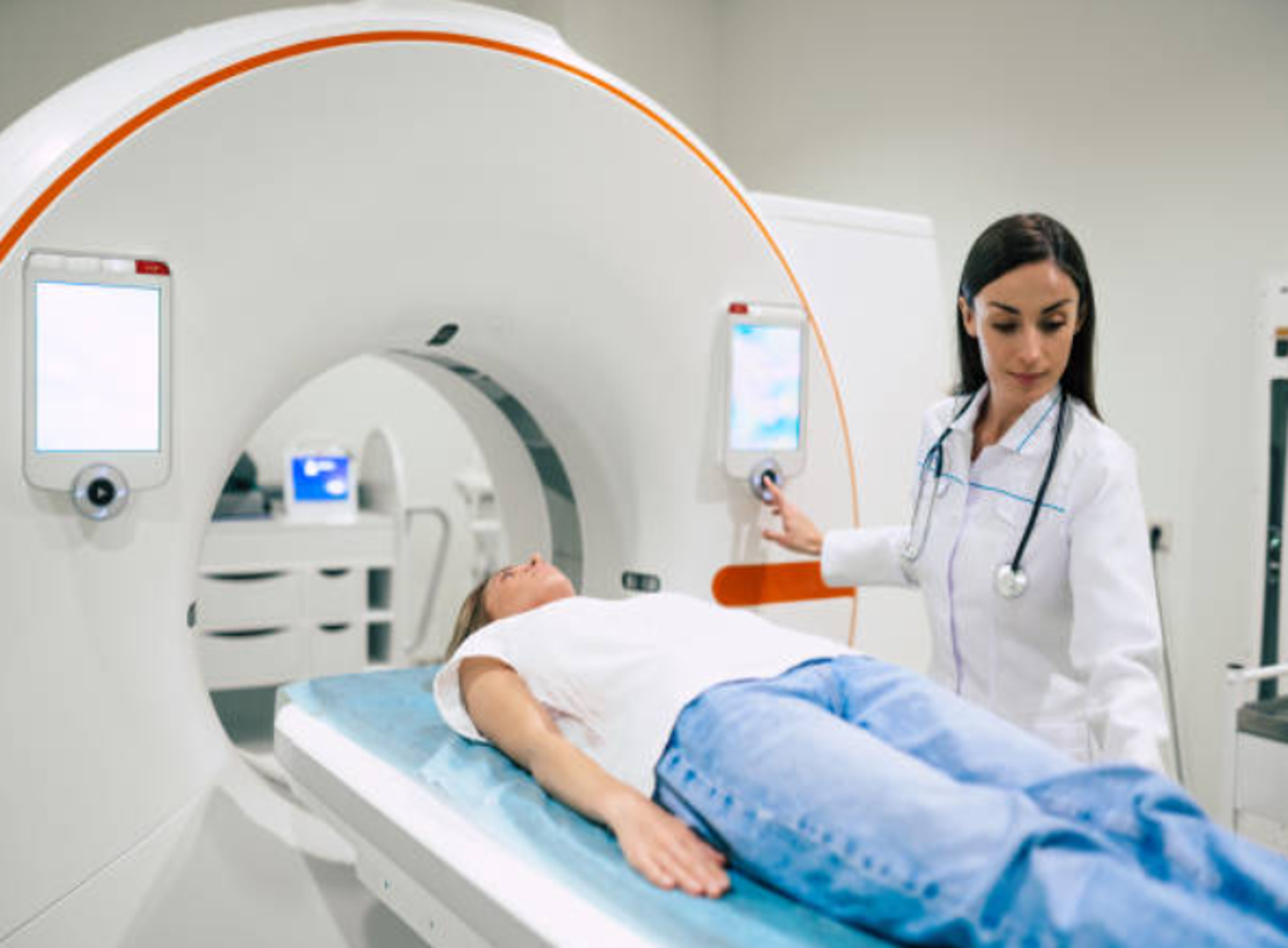
Original Equipment Manufacturers (OEMs) play a pivotal role in this transformation by aligning training programs with real-world clinical workflows and ensuring operators can fully leverage advanced imaging technologies. Likewise, healthcare providers and academic institutions must expand access to simulation-based, AI-driven, and remote learning platforms that can accelerate competency development while reducing dependence on limited clinical placements. Policymakers and regulators, in turn, should incentivize training partnerships and recognize innovative, competency-based education models that modernize traditional pathways. In this context, training emerges not as an ancillary function but as a core strategic investment, which is a foundation for both operational excellence and sustainable workforce growth.
Key Opportunities
Simulation & Immersive Learning: Virtual and augmented reality training can accelerate competency while reducing pressure on clinical sites.
OEM–Provider Collaboration: Jointly designed curricula ensure alignment between technology capabilities and real-world workflows.
Continuing Education Reform: Modular, competency-based CE credits keep technologists up to date with evolving modalities and AI tools.
Global Accessibility: Cloud-based learning hubs can reach underserved markets, expanding the global talent pool.
The Path Forward: From Crisis Response to Capability Building
Workforce resilience isn’t achieved through short-term fixes, it’s built through continuous, scalable training ecosystems that adapt alongside technology and patient needs.
To build a future-ready imaging workforce, stakeholders must:
Invest in scalable training infrastructure—including virtual platforms and OEM-backed academies.
Embed continuous learning into certification and credentialing processes (ASRT, ARRT, etc.).
Foster cross-sector partnerships to close the gap between technology innovation and clinical adoption.
Key Takeaways
Training is not a downstream activity, it’s a strategic imperative.
The next decade will belong to healthcare systems and OEMs that build sustainable, scalable pathways to develop the talent needed for next-generation imaging and care delivery.